
Children born of war in Ukraine: Policy considerations for a future peace
The war in Ukraine has had devastating consequences for children. A crucial yet often overlooked group is children born of war. These children could be seen as symbols of the ‘enemy’ in a post-conflict landscape, potentially making them more vulnerable. The EuroWARCHILD team, together with two research assistants, published a policy brief on this matter with PRIO.
Photo: Mathias Reding via unsplash
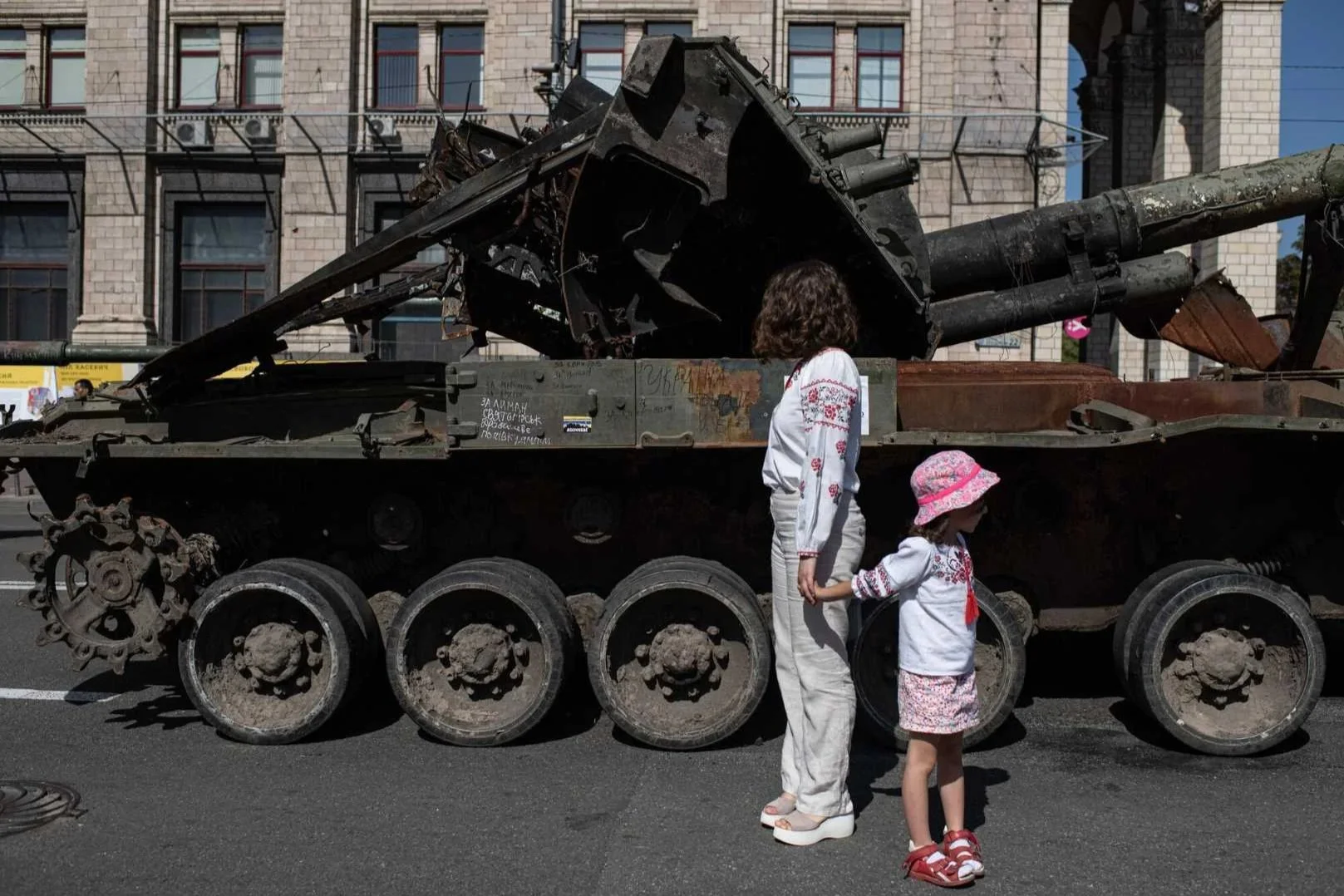
We Need to Talk About Children Born of War
Every day, children are born in war and armed conflict, in Ukraine, on the Gaza Strip, in South Sudan, in Myanmar and elsewhere. Some of these children might have parents who are enemies, that is, parents who are on opposite sides of the conflict. Inger Skjelsbæk discusses lessons learned and interventions of today in a new blog post published with PRIO.
Photo: Alexey Furman/Getty Images.

Children Born of War: Considerations for Policymakers
The voices and experiences of children born of war are notably absent from ongoing research and policy discussions, highlighting a significant gap. Ingvill C. Ødegaard and Emily Prey propose targeted interventions to address shortcomings in a new dossier.
Photo: Justice and Reconciliation Project
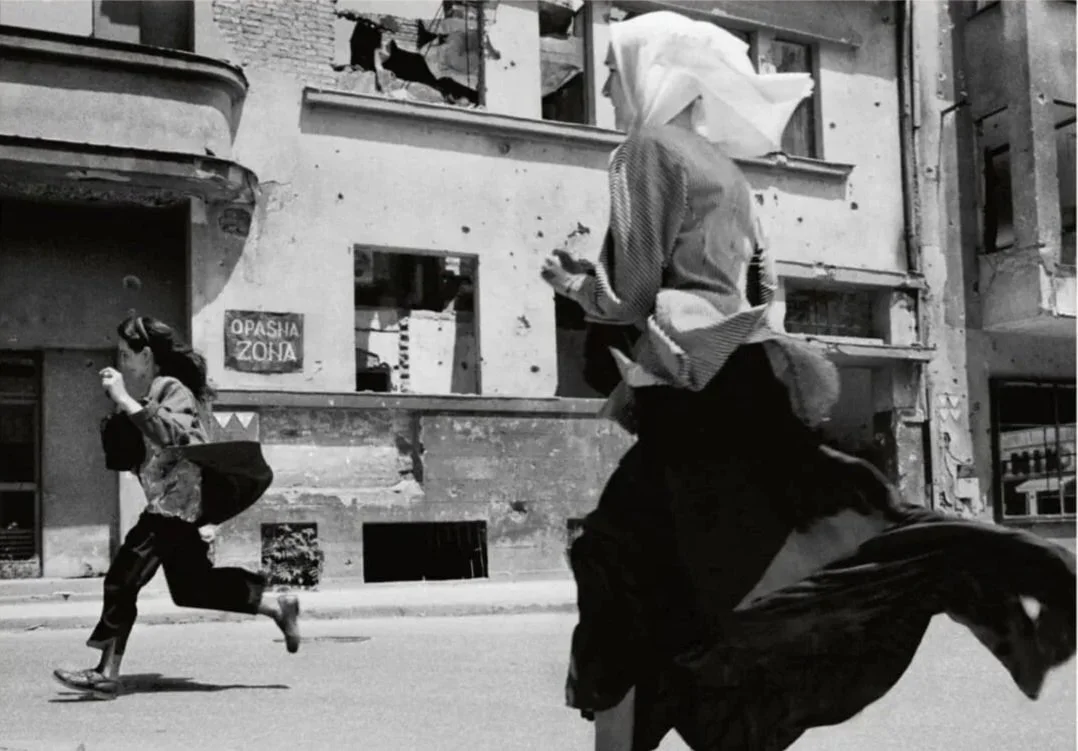
On researching women’s wartime experiences in Bosnia
Inger Skjelsbæk’s new book Sarajevos Roser examines life after a conflict characterized by extreme war crimes and genocide, including sexual violence. It presents her research on conflict-related sexual violence through the people she met, the texts she studied, and the encounters she had in Bosnia after since 1995, the year the Bosnian war ended with the Dayton Peace Agreement.
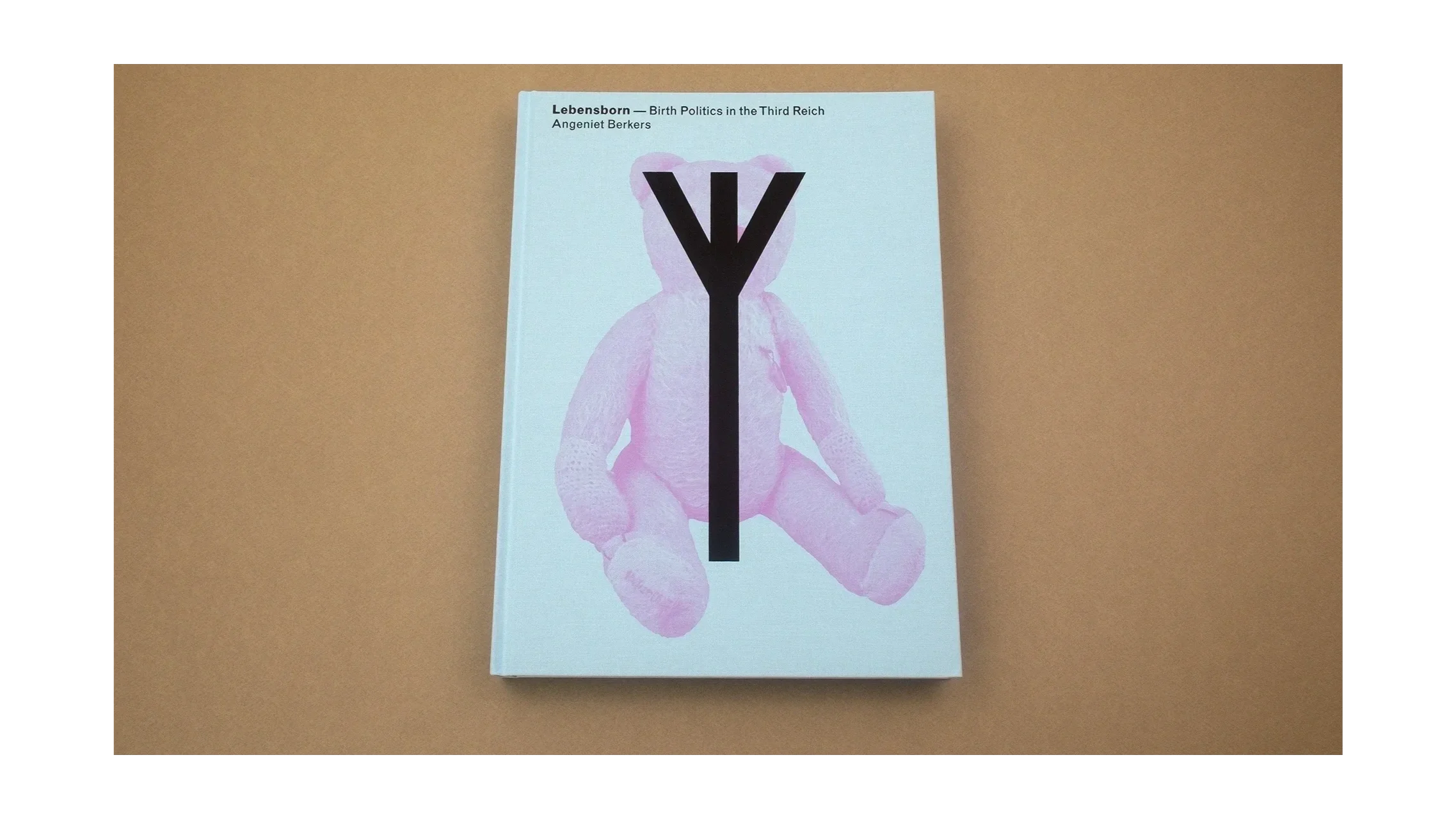
Essay in photo book on the children born into Lebensborn
Ingvill Constanze Ødegaard contributed an essay entitled “Endurance and Empowerment – reflections on the life development of children of the Lebensborn”, in a new photo book by Angeniet Berkers on the national socialist Lebensborn campaign.
Photo: Eriskay Connection

Bridging the Divide Between Research and Policy
The growing attention to CBOW in research and advocacy has contributed to a greater awareness of this group . Yet, there are clear discrepancies between how CBOW are conceptualized by academics and how they are approached by policy makers. This divide risks hampering the support CBOW urgently need, warn Norman Mukasa and Lina Stotz.
Photo: Andy Nelson via flickr. https://www.flickr.com/photos/andynelson/
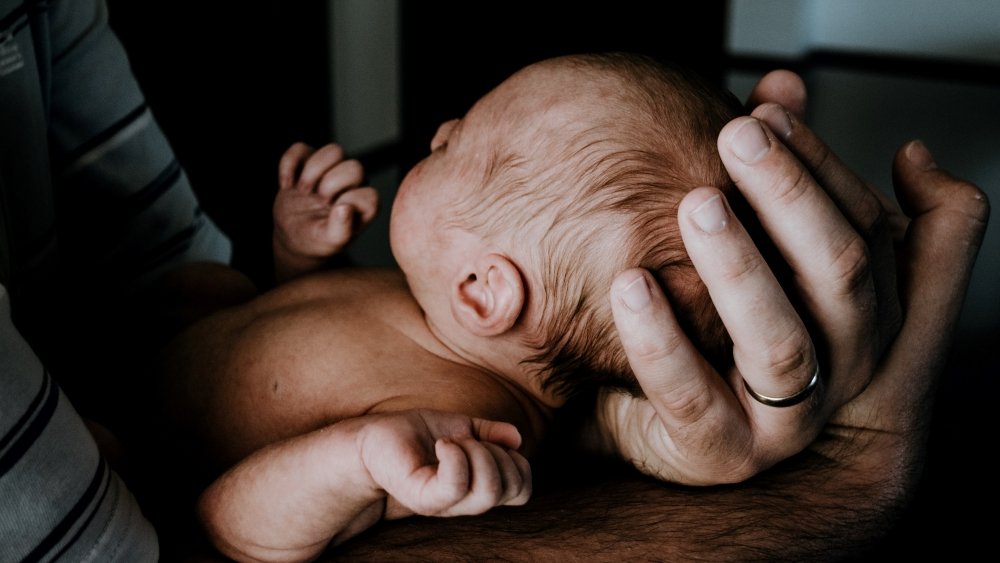
Don’t Forget the Children Born of War in Ukraine
Over nine months have passed since Russia’s attack on Ukraine. Several of the first Ukrainian women who became pregnant as a result of wartime sexual violence have now given birth to children who were conceived as a result of this violence. More will be born in the coming months. A call to action by Inger Skjelsbæk, Johanne Rokke Elvebakken, Lina Stotz & Ingvill C. Mochmann.
Photo: Kelly Sikkema / Unsplash

Doing or not doing harm? Ethical issues in researching Children Born of War
The processes of collecting, analyzing, and reporting data that involves Children Born of War (CBOW) require the respect and protection of these children by observing the ethics of research with minors, as Norman Mukasa and Ingvill C. Mochmann write in a new blog post.
Photo: Norman Mukasa

Children Born of War Should be More Than an Afterthought
A recent UN report published by the Secretary General in late January is one of the first to focus exclusively on women and girls who become pregnant as a result of sexual violence in conflict and on children born of war. A critical commentary by the EuroWARCHILD team.
Photo: UN Photo/Marie Frechon